


Must-have dishes on a Northern Vietnamese Tet Feast
Updated: Sep 9

In Northern Vietnam, Lunar New Year (Tết) is not complete without a full table of traditional dishes. Food during Tet feast is about more than flavor - it represents luck, balance, respect for ancestors, and hopes for the coming year.
While every family has its own variations, these Northern Vietnamese Tet foods are common on many family tables, although the exact feast varies by household and region.
Must-Have Dishes on a Northern Vietnamese Tet Feast
Bánh chưng (square sticky rice cake)
One of the most recognizable dishes is bánh chưng (square sticky rice cake). Made from sticky rice, mung beans, and pork, bánh chưng takes hours - sometimes days - to prepare. Its square shape represents the earth, and its presence on the table is a symbol of gratitude and continuity.

Xôi (sticky rice)
Xôi (sticky rice) is a symbol of fullness and abundance. Often cooked with mung beans or gấc (baby jackfruit), it’s bright in color and gentle in flavor. During Tet feast, xôi is served to guests or eaten in the morning before visiting relatives.

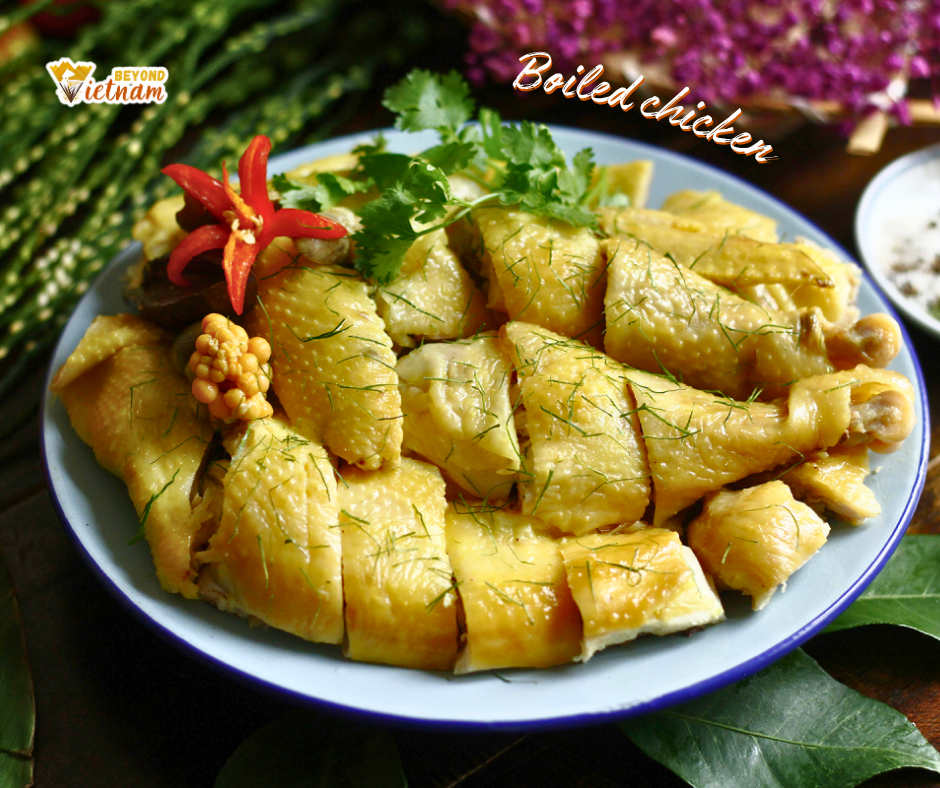
Gà luộc (boiled chicken)
Another essential dish is gà luộc (boiled chicken). Carefully prepared and beautifully presented, the chicken often appears at the center of the table or on the ancestor altar. It symbolizes respect, sincerity, and family unity during Tet feast.
Giò lụa (Vietnamese pork sausage)
Next to it is giò lụa (Vietnamese pork sausage), simple but essential. Smooth, lightly seasoned, and easy to share, giò lụa represents wholeness and harmony. It’s often sliced and eaten throughout the holiday, from breakfast to late-night snacks.

Nem rán (fried spring rolls)
Nem rán (fried spring rolls) bring warmth and crunch to the Tet table. Filled with pork, glass noodles, wood ear mushrooms, and vegetables, they are fried golden and served hot. This is the dish people keep reaching for during long Lunar New Year gatherings.

Thịt đông (pork jelly)
Another Northern specialty is thịt đông (pork jelly). Made by slow-cooking pork and letting it set naturally in the cold winter air, this dish is strongly associated with northern Tet meals, where Tet usually comes with chilly weather. It’s light, refreshing, and often paired with pickles.

Dưa hành (pickled onions)
To balance the richness of meat dishes, families often include dưa hành (pickled onions). Sour, crunchy, and sharp, dưa hành helps cleanse the palate and is believed to bring freshness and clarity for the new year.

Canh măng (dried bamboo shoot soup)
Warmth comes from canh măng (dried bamboo shoot soup), often cooked with pork or chicken. This soup is comforting and familiar, served during long family meals when people sit together, talk, and eat slowly.

Northern Vietnamese Tet Food Is More Than a Meal
A Tet feast is never eaten alone. It is shared with family, relatives, and visitors who come to wish each other luck during Lunar New Year. The dishes may look familiar year after year, but that familiarity is exactly the point.
Through this Tet feast, Vietnamese food becomes a language of care, respect, and hope for the year ahead.
If you were invited to a Lunar New Year Tet feast in Northern Vietnam, which dish would you reach for first?
Related reading: Xoi in Hanoi and Hanoi winter foods.
A Tết feast belongs to a particular season and family context, so these dishes are not a fixed tour menu. But if the food traditions make you curious about how Hanoians eat in everyday life, our Taste of Hanoi walking street food tour is a more practical way to explore the city through food once shops and streets return to their normal rhythm.
Dung (Emma) Co-founder of Beyond Vietnam
Xin chào! I’m Dung, but many travellers call me Emma. I grew up on the outskirts of Hanoi, and no matter how far I travel, this busy and slightly chaotic city still feels most like home.
I’ve explored Vietnam on my own and with the people I love, while also spending years volunteering and joining community projects. Along the way, I’ve collected plenty of stories, local tips and unforgettable moments. I share them here to help you feel closer to Hanoi and Vietnam, hopefully even before you arrive.
You can also find me on Facebook. Come and say hi!


Comments